Launching vaults that compliance teams could sign off
How we took segregated DeFi vaults to institutions at a MiCA-authorised firm: building awareness before the product, positioning beyond headline yield, the Vault Summit Cannes launch, press and search, and a compliance process that shortens review.
Institutions want DeFi yield, but the usual way of getting it doesn't fit how they're run. A pooled vault mixes their capital with everyone else's and hands it to a curator nobody has authorised. Tesseract's Dedicated Client Vaults, announced in April 2026 and live in June, turn that round: one client, one vault, segregated at smart-contract level, managed by a MiCA-authorised firm.
I ran the marketing. The product was easy to explain; earning attention and trust was the real challenge. Institutions already using vaults, and those still weighing them up, had rarely asked whether a vault was run in a way their compliance team would accept. Few of them had heard of Tesseract, and fewer had a reason to trust it.
This piece expands on my conversation with Tyler Fleischer on The Marketing Desk, with more of the detail and what I'd pass on from launching a product that didn't fit an existing category.
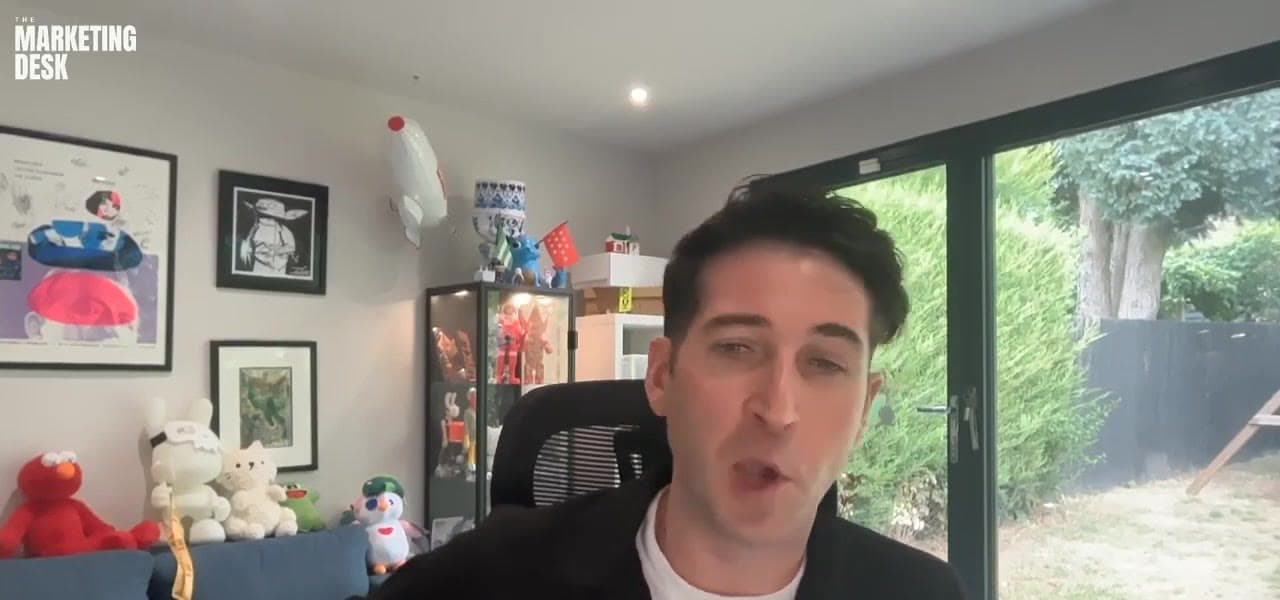
Why institutions needed a different kind of vault
Tesseract has typically been a yield-as-a-service business. We ran the book, lending to institutional borrowers and running the earn programmes behind exchanges such as Bitstamp.
Over 2025 those clients increasingly asked for vaults. What they wanted was ownership, control and transparency: assets held in their own wallet, positions they could see in real time, and none of it at the expense of the compliance standing they already had with us.
So we set out to build a more compliance-friendly option. Each client's capital sits in its own vault instead of a shared pool, stays in the client's own wallet and custody, and can only be deployed into protocols that have been approved in advance. And instead of an unregulated curator, Tesseract Investment Oy, the group's MiCA-authorised entity, manages each vault under a discretionary mandate, which makes us, in effect, a regulated curator.
We announced the product in April with six pilot participants, among them the crypto ETP issuer 21Shares, began onboarding clients in June, and opened a self-serve version soon after.
Awareness first, product later
Tesseract had been operating since 2017 without ever investing seriously in marketing. Outside our existing clients, very few institutions knew who we were, and a product launch to an audience that doesn't recognise the name rarely gets a hearing.
So we built a recognisable voice before we built a campaign. With our PR agency, Evolve, whom I'd recommend to anyone marketing in this space, we set up a thought leadership programme around James Harris, our CEO.
The first phase was visibility. From February James was commenting on the market in Bloomberg and the crypto trade press, appearing on podcasts and posting on LinkedIn once or twice a week, alongside a series of articles from us on regulation and where yield comes from.
The second was positioning. Authorisation under MiCA, the EU's Markets in Crypto-Assets Regulation, was our clearest point of difference, and we used it to argue that DeFi is about more than the rate. Headline yields rarely show the risk behind them, and not all yield is equal. That language gave us a space in the market that yield-led competitors couldn't easily occupy, and it framed the product before anyone had seen it.
As the product took shape and MiCA's transition deadline drew attention, James moved from teasing the problem to making the case: by late February he was arguing against pooled vaults on podcasts. We kept the product itself back for Cannes. Once it was public, the argument had something to point at, and we made it through a panel in London in May, Vault Summit NYC in June and a MiCA panel with BeInCrypto.
Some of it had to be reactive. In July, SEC Commissioner Hester Peirce suggested that curators exercising discretion over vault assets may fall under US securities law, which was the point we had been making about MiCA. Within days James was in The Block on whether curators are fund managers, and the product had a news story to attach itself to.
Launching at Vault Summit Cannes
We built the launch around Vault Summit Cannes. It was the one event where the people who build vaults, curate them and allocate to them were in the same room, which made it the natural stage for a product arguing that vaults should work differently. James announced the vaults in his keynote on 1 April, "What the next wave of institutional capital needs from vaults", while the press covered the launch in tandem, including an interview with The Block recorded at the event. Sharing the platinum sponsorship with IPOR, whose infrastructure the vaults run on, meant the case was made by more than one voice on stage.
It did what we needed at that stage. The keynote set off a flurry of discussions, meetings and follow-up calls, and people began to recognise Tesseract and engage with the argument. That was the goal for Cannes: a name the market knew, and a conversation it wanted to have.
The keynote then became the backbone of the months that followed. I built the material around it, from the deck and event collateral to the press briefings, and cut five clips from it that we used well into the summer, including the teasers for Vault Summit NYC. In June we rebuilt our vaults positioning from it.
April was the company page's strongest month for new followers, and between February and September the following grew by 12%. More useful than the growth was its quality: when we checked who had followed between February and July, a quarter fitted the profile of the institutions we were trying to reach.
Press, search and AI answers
I came to press through SEO and used to judge it by the attention and links it earned. With institutional buyers I judge it by the story it tells, because the trade press is where they already take in information. In more than a decade of crypto and Web3 marketing I've never relied on it as much.
Between 13 April and 7 September our placements rose by 137% and the number of outlets by 130%, with repeat pieces in Bloomberg. Most were James, and later others on the team, commenting on the market rather than covering the vaults. That suited us: it put Tesseract's name in the publications our buyers read before we had anything to sell them.
+274%
The coverage was meant for GEO, being cited in AI answers, as much as for rankings, on the assumption that both lean on what credible outlets say about you. Referring domains to tesseract.fi rose 21% between March and September.
+21%
The clearer change is in category search. In late 2025 tesseract.fi wasn't in Google's US top 100 for any vault search that doesn't include our name. By September it ranked for seven, and Google's AI Overview had cited it for four. The volumes are modest, but these are category searches rather than brand ones, which is where a new name has to earn its place.
None of this happened overnight, and press is only one of the inputs, so I wouldn't credit it with all of the movement.
Retargeting and measurement
As the launch approached, we put a modest paid budget behind retargeting people who had engaged with the education content, mostly on LinkedIn, where the institutional buyers we wanted were already reading. X contributed little.
Those people went on to ask for more information, and the enquiries came from ETP issuers, a large traditional asset manager, exchanges and other MiCA-authorised firms. That mix is the best evidence I have that the education reached the buyers it was written for.
Measuring it was harder. Institutional DeFi sells over months, and a single enquiry might follow a podcast, a Bloomberg quote, a LinkedIn post and a conversation at an event. Multi-touch attribution is difficult at the best of times; with long cycles and offline touchpoints it is close to impossible, and gaps between our forms, email and the CRM made it harder still.
We accepted that. Every indicator was rising together, so we judged the programme as a whole instead of claiming which tactic moved which number, and fixed the tracking as we went. By August, tagged campaign links were connecting tracked visits to institutional enquiries.
Next time I'd agree two scorecards with leadership before launch. The first covers early signals: the right institutions engaging, qualified enquiries and due diligence requests. The second covers outcomes: onboarding and funded vaults. Every enquiry, from any channel, would land in the CRM with its source.
Compliance as a writing system
At agencies with banking clients, the back and forth over a single piece of copy could run for weeks. A regulated product that needed this much review couldn't afford that, so at Tesseract the rules are built into how copy is produced:
- A written rule set, maintained by legal and compliance, covering what we can say, how each product and entity is described, and which disclaimers apply.
- An automated, AI-based quality gate that checks every draft against those rules before anyone reviews it.
- Expert and compliance review: a subject expert checks the facts, then compliance reviews the piece in full.
Over the year, copy has reached compliance already close to sign-off. Reviews are shorter, fewer drafts go back and forth, and we've been able to publish more, and faster, on a product where almost everything needs review. The automation handles the mechanical checks; a person still writes, checks and signs off every piece.
When Tyler asked what I'd tell someone starting at a regulated crypto company, this was most of my answer: learn the regime as seriously as you learn the product, and build the system early.
My experience in DeFi marketing
I've spent the past year taking a regulated DeFi product to institutions: the positioning, the press, the website and the compliance process behind all of it. I'm always looking to discuss new opportunities and roles, so if you're launching a DeFi product or marketing a regulated crypto business, whether you're hiring in-house or looking for a DeFi marketing agency, get in touch as I am always interested in discussing my work in Web3 and crypto marketing.
The full episode is on YouTube: The Marketing Desk with Oliver Carding.