
Reversing a decline in a collapsing NFT market
Traffic, creator mints and sales all falling with the market. The attribution turned out to be lying to us.
- Client
- KnownOrigin
- Role
- Senior Digital Marketing Lead, eBay
- Period
- 2022–2024
- Disciplines
- Strategy, SEO, Content, Analytics
- Increase in site traffic over six months
- +30%
- Boost to conversions
- +10%
- Revenue growth from organic and social
- +20%
Overview
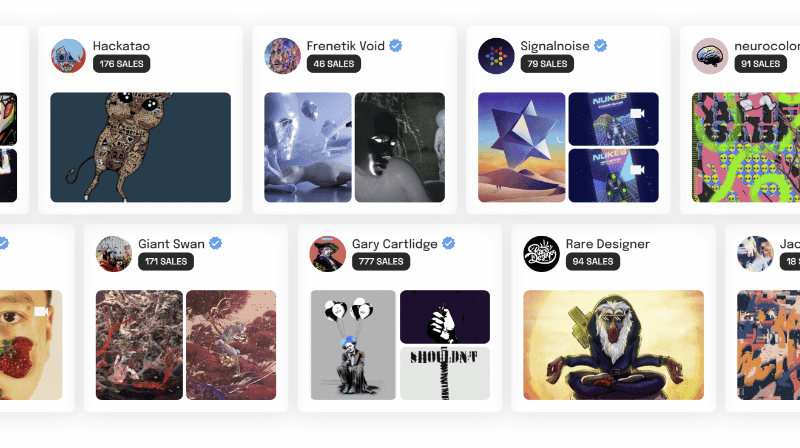
KnownOrigin was a pioneering NFT art marketplace that I helped launch before its acquisition by eBay. In 2022 I joined the eBay Web3 team full time to lead digital marketing strategy. With the market cooling sharply from its 2021 peak, we were facing declining traffic, fewer creator mints, and falling sales.
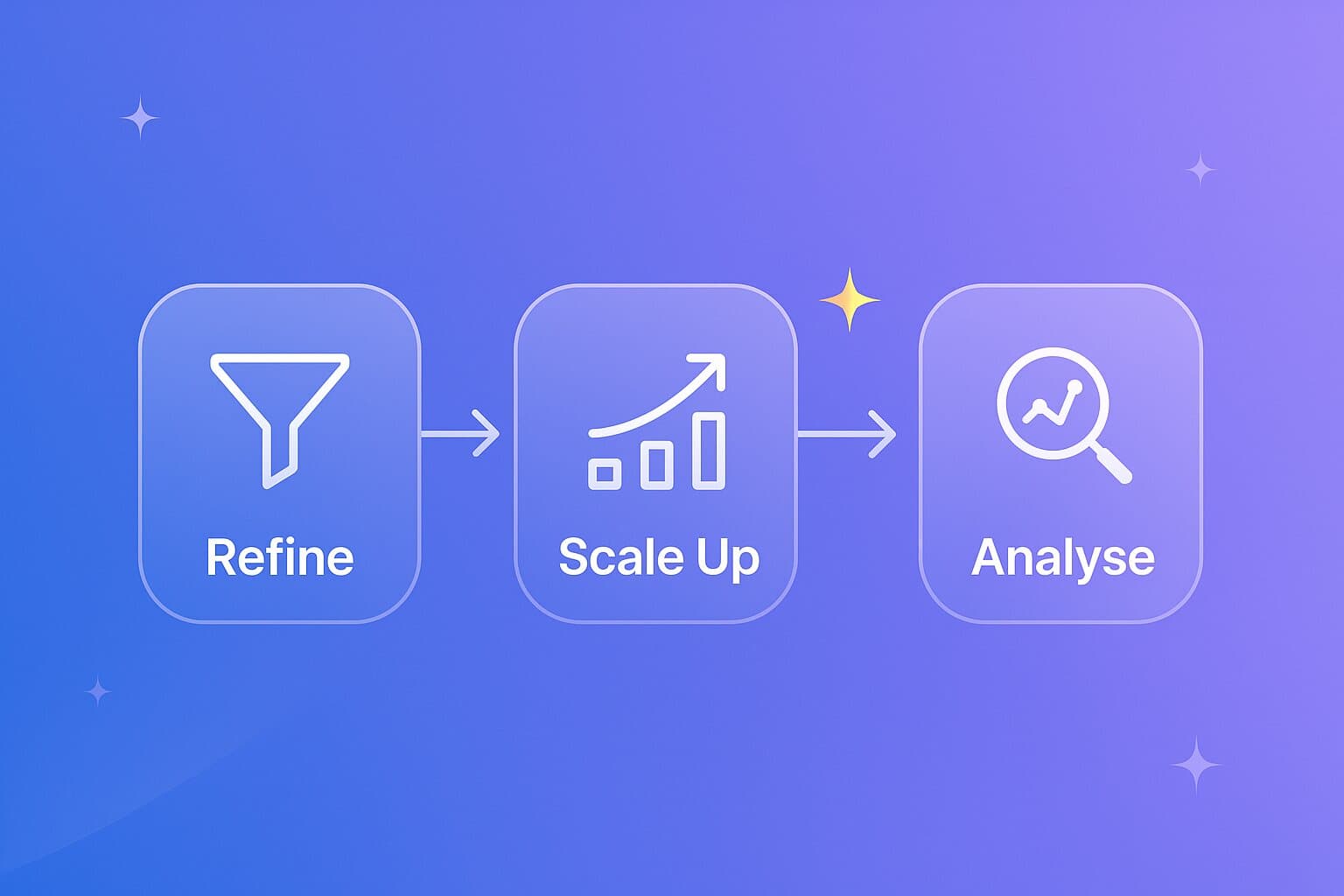
Analysing channel performance, user behaviour and conversion patterns surfaced several areas where the picture we had was wrong rather than simply bad. That analysis became a three-part strategy: refine the channels that were working, scale into the ones we had neglected, and fix the measurement so we could tell the difference.
Within six months the approach had reversed the declining metrics across the key areas and established a growth model that did not depend on the market recovering.
What was wrong, and what I did about it
Creators had disengaged
Creator mints were down significantly, with fewer artists putting new work on the platform. That created a ripple effect: less new art, fewer sales, and reduced community engagement.
Make the creators the channel
We built social-first creator content (artist interviews and spotlights) that creators were keen to share with their own followers. The data showed that a creator’s audience was significantly more likely to purchase when the artist shared the content themselves than when KnownOrigin promoted it. That insight turned creators into marketing partners rather than subjects.
Twitter looked like the converting channel. It wasn’t.
Twitter was our top converting channel on paper at 37.74% of purchases. Introducing proper tracking showed that last-click attribution was misleading us: users were engaging with our content on Twitter, but it was the artists’ own posts that were driving the conversions.
Split awareness content from conversion content
I put in place a content testing framework that distinguished awareness posts from conversion posts. Changing post frequency and introducing formats built around creators’ own stories increased both engagement and conversions.
The journal was not working as content
Journal content had a 67% bounce rate and was not educating anyone. Content that mattered for onboarding new users was buried deep in the site architecture and, because organic performance was poor, was almost impossible to find.
A Hygiene–Hub–Hero framework
I introduced a structured content framework to clarify what each piece was for. Educational content was restructured around specific audience questions, and promotional content was rebuilt to foreground creators, in line with the revised social strategy.
Instagram was growing and doing nothing
Instagram was gaining followers organically but sending decreasing traffic and almost no conversions, on a visual platform, for visual art. We were missing everyone who was not on Twitter.
Adapt, don’t duplicate
We adapted high-performing Twitter content for Instagram while developing platform-native formats such as artist video features. Testing showed video reaching 42% engagement against static images, which let us rebalance the content mix on evidence.
Invisible beyond our own name in search
Organic traffic was declining with little visibility outside branded terms. We were missing people searching for commercial terms, for particular artists, or for particular styles of work.
Close the content gap
Keyword research identified significant gaps in educational content. We built a content plan around high-volume terms such as “how to buy NFT art” and “what is an NFT”, and fixed the technical SEO issues that were holding back crawlability and performance.
We could not see the customer journey
Analytics limitations prevented accurate attribution. 47% of purchases were happening 12 to 30 days after the first site visit, which made it very hard to say what was actually driving them.
Rebuild the measurement first
I implemented proper GA4 configuration, created audience segments for targeting, and built dashboards surfacing conversion value by channel. Pulling product data from Intercom and Amplitude alongside it made it possible to make decisions about the long purchase journeys that are normal in this market.
The framework it produced
Three workstreams, designed to work across every channel rather than one at a time.
- Refine
- Optimise the channels already performing, particularly Twitter as the main conversion driver, through content testing, audience analysis, and tactical adjustments to engagement and conversion.
- Scale up
- Expand into new channels and formats on the evidence of audience behaviour, including the Hygiene–Hub–Hero content framework to improve organic performance.
- Analyse
- Rebuild measurement to get real insight into complex purchase journeys: proper attribution models, product data from Intercom and Amplitude, and dashboards that made resource allocation an informed decision.
The point of the framework was to make strategic rather than reactive decisions during a downturn: concentrate limited resource on high-impact activity while building something that would still be there when the market turned.
What it moved
Six months, against a market that was still falling.
+30%
Increase in overall site traffic through targeted content and channel optimisation
+10%
Boost to conversions through refined targeting and better user education
+20%
Increase in revenue from organic and social channels despite the continuing downturn
+42%
Growth in creator-shared content, which converted at a significantly higher rate than platform-promoted content
+73%
Improvement in average time spent on optimised content pages, up from under two minutes
+45%
Improvement in SERP visibility for targeted NFT and digital art educational keywords
During our time working together, Oliver emerged as the primary driver behind the significant advancements in strategic marketing planning in 2023. His role as a strategic thinker and experienced marketer stood out prominently within the marketing team. His data-driven approach and extensive experience across all paid and organic channels were pivotal in delivering impactful results.